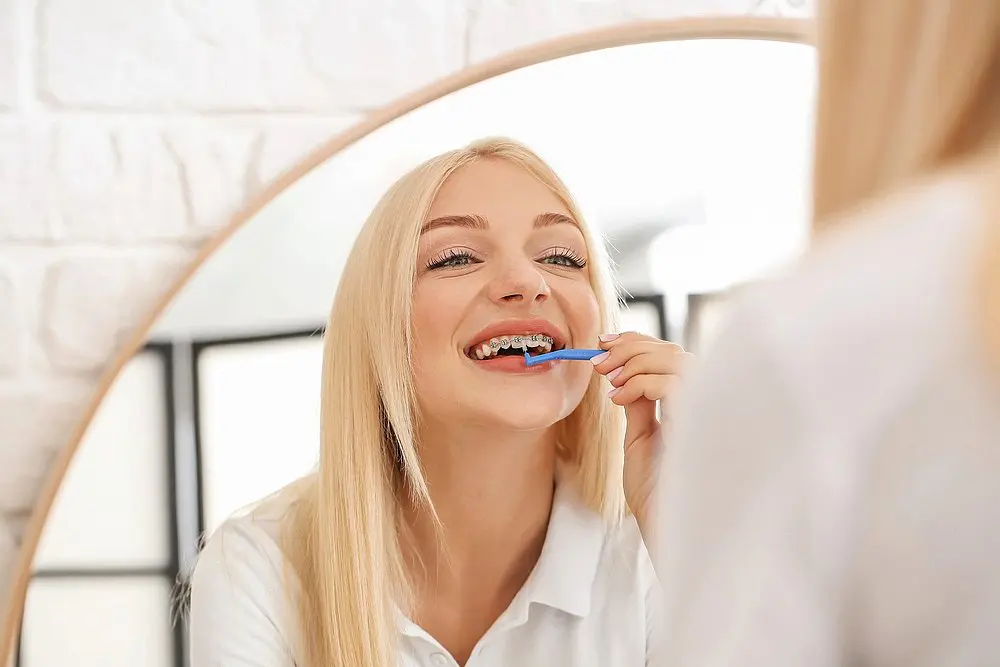
Are you having trouble figuring out how to floss with braces in New York, NY? Flossing is a key part of dental hygiene, especially when wearing braces. Most people use a floss threader or special orthodontic floss to slide the floss under the wire. This lets you clean between the teeth just like normal.
Keep reading to learn why flossing matters with braces and how local orthodontists can show you the easiest techniques.

Why Flossing Is Essential During Orthodontic Care
Braces straighten your teeth, but they also make cleaning harder. Brackets, wires, and other orthodontic appliances create little pockets where plaque and food debris can build up. According to Dr. Andy Glassick, a skilled orthodontist in Charlottesville, VA, flossing daily with braces helps stop plaque buildup that can lead to cavities and gum issues. If plaque sticks around, it leads to problems like gum disease, tooth decay, and bad breath.
Flossing with braces is not just about avoiding cavities; it protects your gums and keeps your treatment on track. Strong, healthy teeth make your braces more effective. It helps ensure great results from your orthodontics treatment.
Tools to Make Flossing Easier
Using the right flossing tools makes a big difference when wearing braces. Here are some options to add to your routine:
1. Floss Threaders
Floss threaders are simple but effective tools that help you guide floss under braces wires. They allow you to clean between your teeth and brackets without hassle. Most orthodontic offices provide floss threaders to patients. Gramercy Orthodontics also offers these tools. They help patients adjust to flossing with braces.
2. Water Flossers (Oral Irrigators)
A water flosser uses a stream of water to remove plaque and food particles from hard-to-reach places. Water flossing is especially helpful if you find string floss difficult to handle or if you have sensitive gums.
3. Orthodontic Floss
Orthodontic floss is designed for people wearing braces. It is thicker and stiffer than regular dental floss, making it easier to thread under wires. By pairing it with a floss threader, you can easily clean around brackets and between teeth.
4. Superfloss
Superfloss is a versatile option for cleaning wires, brackets, and tight spaces between teeth. Its spongy texture makes it effective for removing plaque buildup in hard-to-reach areas.
5. Floss Picks or Interdental Brushes
Floss picks are small tools designed to clean between teeth and around brackets. They are great for patients who struggle with traditional flossing methods.
Where to Buy These Tools
You can find floss threaders, water flossers, superfloss, and other flossing tools at most pharmacies and major stores in New York City. Many orthodontic offices, like Gramercy Orthodontics, also provide starter kits. These kits include flossing tools to make cleaning your teeth easier.
Step-by-Step Guide to Flossing with Braces
Flossing with braces can take a bit more time, but learning the right steps will make it part of your daily routine:
1. Prepare the Floss
Cut about 18 inches of floss and thread it through a floss threader. Use the threader to guide the floss underneath the archwire of your braces.
2. Floss Between Your Teeth
Once the floss is in place, wrap it around the base of each tooth in a “C” shape. Gently slide it up and down to clean along the gumline and remove food debris. Repeat this process for every tooth, rethreading the floss as needed.
3. Use a Water Flosser for Extra Cleaning
Water flossers are perfect for cleaning stubborn areas or reaching spots regular floss might miss. Aim the water jet between your teeth, on brackets, and under the wires. Adjust the pressure if your gums feel sensitive.
4. Finish by Brushing Your Teeth
After flossing, clean your teeth with a soft-bristle toothbrush and fluoride toothpaste. Focus on brushing around the brackets, wires, and along the gumline. Use gentle, circular motions to avoid damaging your braces or enamel.
Tips for Cleaning Different Types of Braces
The type of braces you have may affect how you floss:
- Metal Braces: Take care to thread floss under the wires for proper cleaning.
- Ceramic Braces: Floss gently to avoid damaging fragile ceramic brackets.
- Lingual Braces: Since these are placed behind your teeth, use a water flosser for added precision.
- Self-Ligating Braces: These have fewer parts to clean but still require regular flossing to keep your gums healthy.
Flossing Challenges and How to Overcome Them
If you’re new to braces, flossing can feel tricky. Here’s how to overcome common obstacles:
1. Sensitive Gums
Swollen or tender gums are common, especially at the start of orthodontic treatment. Use warm saltwater rinses to reduce irritation, and floss gently to avoid discomfort.
2. Hard-to-Reach Spaces
Spaces between brackets and wires can sometimes be hard to access. Tools like interdental brushes and water flossers are helpful for these areas.
3. Trouble Using String Floss
If traditional floss is too hard to manage, try floss picks or invest in a water flosser for a faster, easier cleaning method. According to Dr. Annikka Freelove, a highly-rated pediatric dentist in Sammamish, WA, tools like floss picks and water flossers can help children with braces clean better when string floss feels too tricky.
Professional Care at Gramercy Orthodontics
At Gramercy Orthodontics, we help patients keep their teeth and gums in excellent condition.
What We Offer:
- Hands-On Instruction: We’ll show you how to floss with braces during your appointments.
- Starter Kits: Our kits include floss threaders, orthodontic floss, and more.
- Expert Support: We’re here to help when challenges like broken wires or swollen gums arise.

Healthy Oral Habits After Braces
Once your braces are removed, keeping up with daily hygiene is key to protecting your beautiful smile. Here’s how to maintain great results:
- Wear Your Retainer: To prevent your teeth from shifting, wear your retainer as your orthodontist recommends.
- Floss Daily: Even after braces, flossing remains essential to prevent plaque buildup and cavities.
- Visit the Dentist Regularly: Schedule cleanings twice a year to keep your teeth healthy and your enamel strong.
Take Control of Your Flossing Routine
Flossing with braces doesn’t have to be difficult. With the right tools, proper guidance, and a little practice, you’ll master the skill in no time. At Gramercy Orthodontics, we care about helping you succeed with your orthodontic care.
Book an appointment today at our New York City office. Let us help you achieve a healthy, clean smile during your braces treatment!
About The Author
Dr. Jason Berk – Orthodontist in New York, NY
Frequently Asked Questions
Can I skip a day of flossing with braces?
Hey there, braces buddy! It might be tempting to skip flossing with all the wires and brackets. However, flossing every day is important. Daily flossing keeps your teeth and gums healthy and removes food trapped in hard-to-reach spots. Missing a day can leave plaque and food particles behind, which may lead to cavities or gum issues.
What happens if you brush your teeth for less than 2 minutes?
Hey there! Brushing for less than two minutes may leave plaque in small nooks and crannies. This reduces how effective your cleaning is. This can increase your risk of cavities and gum problems, and your fluoride toothpaste won’t have enough time to strengthen enamel fully. Aim for the full two minutes to keep your teeth healthy and your smile bright!
What happens if I don’t brush my teeth every day with braces?
Skipping daily brushing with braces can lead to food and plaque buildup around your brackets and wires. This can cause stained teeth, bad breath, cavities, or even gum issues like gingivitis. You might also get white spots from plaque lingering too long on your teeth.