Do you wonder about the difference between overbite vs underbite in New York, NY? These bite issues are more than just cosmetic concerns. They can lead to chewing difficulties, speech problems, and even jaw pain. Keep reading to discover the key differences between overbites and underbites, their causes, and the best treatment options.

What Are Overbites and Underbites?
An overbite occurs when the top teeth cover too much of the bottom teeth when your mouth is closed. It is one of the most common bite issues. An underbite, on the other hand, is the opposite. In this case, the lower teeth stick out in front of the upper teeth. This issue can affect jaw alignment and might even alter the shape of your face.
What Causes Bite Issues?
Bite issues such as overbites and underbites can result from several factors:
1. Genetics
Your genes play a major role in how your teeth and jaw develop. If bite misalignment, such as an overbite or underbite, runs in your family, you may inherit it. Some people are born with a smaller jaw or uneven teeth because of their genes. Even if you take good care of your teeth, genetics can still cause bite problems.
2. Childhood Habits
Habits like thumb-sucking, prolonged pacifier use, or even mouth breathing can lead to bite problems. These behaviors may shift tooth positions or impact jaw growth over time. The longer a child keeps these habits, the more they can affect how the teeth and jaw grow. Breaking these habits early can make a big difference in preventing misalignment.
3. Other Factors
Missing teeth, jaw injuries, poor oral hygiene, or airway issues like sleep apnea might worsen jaw alignment. These factors can put extra stress on the jaw and lead to bite imbalances. Accidents, teeth grinding, or uneven chewing can also throw off your bite. If left untreated, these issues can cause pain or wear on your teeth. Seeing your dentist often helps catch these problems early and protect your smile.
Why Fix Bite Problems?
Leaving an overbite or underbite untreated could lead to long-term problems with dental health and overall well-being. Correcting these issues has benefits for your jaw, teeth, and self-esteem.
Chewing and Digestive Problems
When teeth don’t line up properly, chewing becomes less effective. This can lead to jaw strain and even digestive problems because food isn’t broken down properly. You may also feel tired after eating or notice stomach issues. A well-aligned bite makes chewing smooth and helps your body digest food better.
Speech Difficulties
Bite issues can cause trouble making certain sounds, like “s” or “th.” Misalignments may also affect how clearly you speak. You might feel self-conscious or have to repeat yourself often. Fixing the bite can make your speech sound clearer and more natural.
Jaw Pain and TMJ Issues
A misaligned bite puts extra stress on the jaw joint (TMJ), causing pain, stiffness, and even headaches. Over time, untreated bite problems can lead to chronic discomfort and bigger issues. You may also notice clicking sounds when opening your mouth.
Tooth Damage and Oral Hygiene Problems
When overbites or underbites cause uneven pressure, this can lead to wear and tear on your teeth. Over time, teeth may chip, decay, or lose enamel. Misaligned teeth can also make it harder to maintain good oral hygiene, leaving room for plaque buildup and gum strain.
Treatment Options at Gramercy Orthodontics
At Gramercy Orthodontics, we offer personalized treatment options for all types of bite issues. Your treatment plan will depend on the severity of your overbite or underbite, as well as your age and oral health condition.
Braces
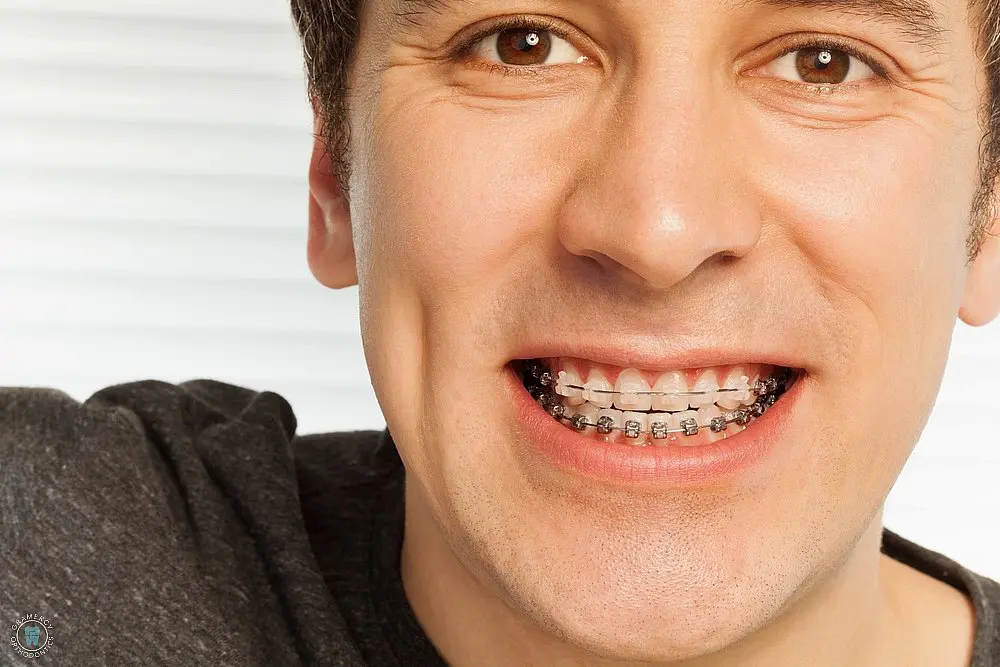
Braces use brackets and wires to gently move teeth into better alignment. As Dr. Mo Zainal, a trusted family orthodontist in Colleyville, TX, says, braces give steady, sure results for most bite issues. They are highly effective for nearly all bite issues and don’t rely on patient compliance, as they stay fixed in place. Modern braces are smaller and more comfortable.
Invisalign Aligners
Clear aligners, such as Invisalign, are removable trays that shift teeth over time. Invisalign is a popular choice for those with mild to moderate bite issues because it’s discreet and convenient. You can take them out when eating or brushing, which makes daily care easier. Since they’re clear, most people won’t notice you’re wearing them.
Growth Modification Devices
For children and teenagers, tools like headgear or palate expanders can guide jaw growth. Early treatment helps prevent more severe alignment issues later in life. These devices gently shape the jaw while it’s still developing, allowing teeth to fit better as they come in. They’re most effective when started early, before jaw bones fully form.
Surgical Treatments
Severe cases of overbites and underbites may require jaw surgery (orthognathic surgery). Surgery is often combined with braces or aligners to achieve precise results. While surgery might seem extreme, it delivers lasting correction for complex cases.
Benefits of Fixing Overbites and Underbites
Correcting bite problems has benefits that go far beyond appearance:
- Improved Chewing and Speaking: Treatment aligns teeth for smoother pronunciation and efficient chewing.
- Reduced TMJ Problems and Headaches: Relieves jaw strain and prevents chronic pain.
- Better Oral Hygiene: Properly aligned teeth are easier to clean, preventing tooth decay and gum issues.
- Enhanced Confidence: A balanced smile boosts your self-esteem.
Cost Considerations
The cost of treatment depends on the severity of the bite issue and the method used. Here’s a general estimate:
- Mild cases: $3,500 to $7,500.
- Severe cases (requiring growth devices or jaw surgery): higher costs.
Insurance can often help offset costs. Ask about coverage during your consultation.
Life After Treatment
After fixing overbite or underbite issues, it’s essential to maintain your new alignment. Here’s how:
1. Retainers
Wearing retainers after treatment keeps your teeth from shifting back into their old positions. Follow your orthodontist’s instructions for nightly or daily use. According to Dr. Julian Davila, a skilled orthodontist in Indianapolis, IN, wearing retainers as instructed is crucial to maintaining your new alignment and preventing relapse.
2. Good Oral Hygiene
Continue brushing and flossing daily to protect your teeth and gums. Avoid hard or sticky foods that could damage your teeth or retainer. Rinse your mouth after meals to remove food pieces and bacteria. Keeping your mouth clean helps your smile stay bright and healthy for years.
3. Regular Checkups
Visit your orthodontist for regular progress monitoring and dental exams. Routine care ensures that your results last for the long term. Your orthodontist can spot early signs of shifting and fix them before they get worse. These visits also help keep your teeth and gums strong and in good shape.
Why Choose Gramercy Orthodontics?
Here’s why New York families choose us:
- Customized Treatment: Each patient receives a unique treatment plan tailored to their needs.
- Advanced Tools: Diagnostic tools like digital X-rays and 3D imaging ensure precise results.
- Flexible Payment Options: We offer financing plans and accept many major insurance providers to make orthodontic care affordable.
Correct Your Bite with Gramercy Orthodontics
At Gramercy Orthodontics in New York, NY, we specialize in treating overbites and underbites with advanced orthodontic solutions tailored to your needs. Our experienced team provides personalized care using braces, Invisalign, and other treatment options to help you achieve a balanced, healthy smile. Schedule your consultation today and discover how comfortable and effective modern orthodontic treatment can be!
About The Authors
Dr. Jason Berk – Orthodontist in New York, NY
Dr. Julian Davila – Orthodontist in Indianapolis, IN
Frequently Asked Questions
Do overbites get worse as you age?
You might wonder if overbites get worse as you get older. The good news is, they usually don’t! Once you’re an adult, your jaw shape doesn’t change much. Still, other things like worn teeth, gum loss, or missing teeth can make an overbite look worse. But don’t worry, good dental care and regular check-ups can help keep your smile healthy.
What is the best age to fix an underbite?
There’s no single “right” age to fix an underbite, but most dentists say the best time is between ages 7 and 14. That’s when the jaw is still growing, which makes treatment easier. But if you’re older, don’t worry, adults can still fix underbites too. It might just take a bit longer. The key is to see an orthodontist or dentist. They can check your bite and find the best plan for you.
Will insurance cover an overbite?
Whether insurance covers an overbite depends on the reason for treatment. If the overbite causes problems with eating or speaking, health insurance might help pay. If it’s just for looks, dental insurance is more likely to cover it. Many dental plans pay for braces or aligners to fix an overbite, but coverage can differ a lot. So it’s best to call your insurance provider and ask what’s included.